
Wood Floor Refinishing in Campus Park, Bakersfield
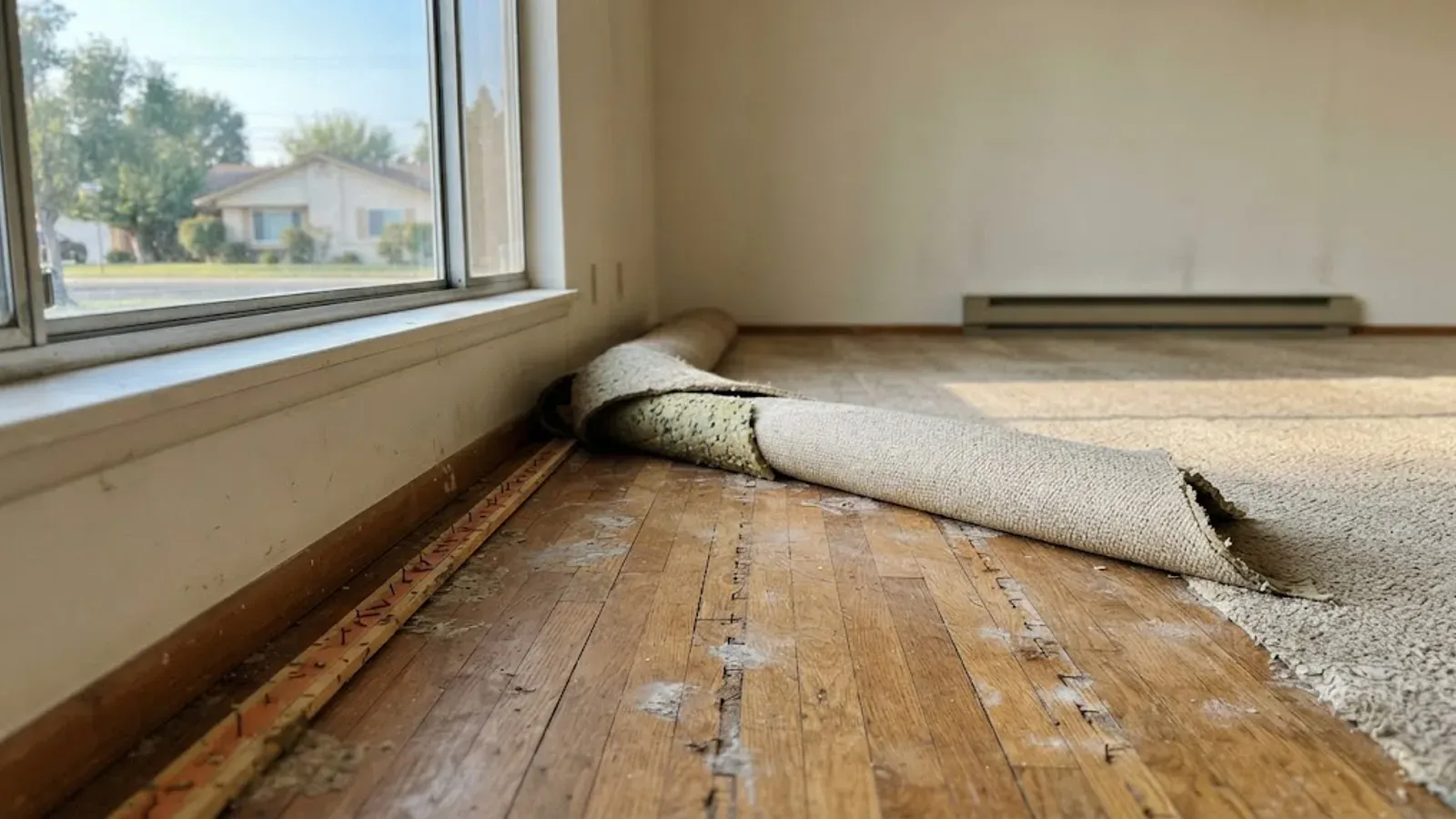
Bakersfield Premium Wood Flooring provides professional wood flooring in Campus Park, Bakersfield, CA — hardwood refinishing, carpet removal, dustless sanding, board repair, and engineered plank installation. Campus Park is one of the best neighborhoods in the city for finding original oak hiding under decades-old carpet.
The housing here is mostly 1950s and 60s single-story ranch, sitting alongside a large shopping complex on the southwest side. Those tract builders floored a lot of these houses in 2 1/4 inch oak strip, and then somebody carpeted over it in about 1978 and nobody has looked since.
What Is Under the Carpet in a Campus Park Ranch
Not every one of these houses has hardwood, and we will not pretend otherwise. Some were built with a slab and vinyl asbestos tile from day one. But a meaningful share of the 1950s and early 60s stock has 2 1/4 inch red oak strip nailed over a plywood or plank subfloor, and it is usually in better shape than the owner expects.
The check takes five minutes. Pull back the carpet in a bedroom closet corner where the tack strip is easiest to reach. If you see narrow strip boards with a tongue and groove edge, you have a hardwood floor. If you see plywood or slab, you do not, and now you know before you spend anything.
What carpet does to a floor over forty years is mostly cosmetic. Pad residue that has fused to the finish. Thousands of staples. A perforated line of tack strip holes half an inch off every wall. Occasional pet damage that the carpet was hiding, which is genuinely the worst case and means board replacement rather than sanding.
The good news about 1950s and 60s oak is thickness. Unlike the pre-war fir in the older neighborhoods, this is usually full three-quarter-inch stock that has never been sanded, which means three to five refinishes still in reserve.
Refinishing Oak Strip Versus Replacing It
The arithmetic is not close. Refinishing runs $3.25 to $5.50 per square foot. New engineered plank installed is $7 to $13, and new solid is $9 to $16. On a 1,500 square foot ranch that is roughly a $6,000 job against a $15,000 one, for a floor that in many ways is better than what you would buy to replace it.
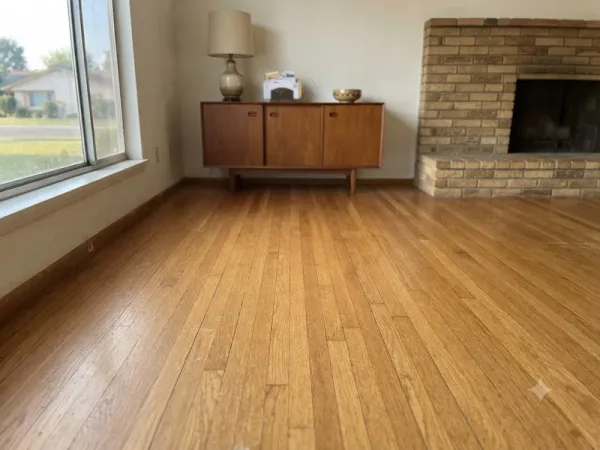
The oak in these houses is denser than most current production hardwood, and it was installed board by board over a nailed subfloor rather than glued to a slab. It is quiet, it is solid underfoot, and once it is sanded flat and coated it looks like a floor somebody paid a lot of money for.
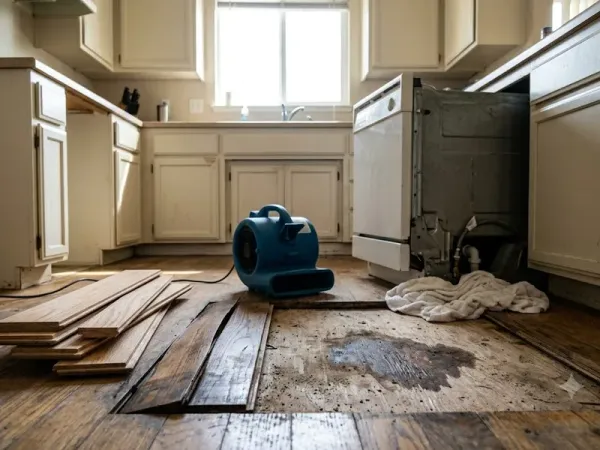
Where replacement makes sense is when the wood is too thin from prior sanding, when there is widespread water or pet damage, or when the layout has changed enough that the field no longer works. We will tell you which category you are in after actually looking.
Narrow strip flooring has one aesthetic characteristic worth knowing about: a lot of seams. If you want the wide, calm look of a modern plank floor, refinishing your existing oak will not get you there no matter what stain goes on it. That is a legitimate reason to replace, and it is a different reason than the floor being bad.
Slab Additions, Sunrooms and Mixed Substrates
A lot of these ranch homes have picked up an addition or two — a converted patio, a family room off the back, a sunroom. Those are almost always slab on grade, tacked onto a house whose original rooms sit on joists.
That mixed substrate is the single most common complication we deal with here. You cannot run the same solid hardwood across both, and the floor heights rarely match to begin with. Usually the answer is engineered plank throughout, which glues to the slab and nails to the wood subfloor, so the whole house reads as one floor.
The same pattern shows up in the established streets of Laurelglen just to the west, where the housing is a similar age and the added-on family room over a slab is just as common.
One thing we check on every pre-1980 addition or original room here: old black mastic under vinyl tile. We treat it as presumed asbestos-containing and handle it by encapsulation or licensed abatement rather than grinding it up. Nobody enjoys that conversation, and it is a lot cheaper than the alternative.
Timeline and What to Expect
Carpet and pad removal, tack strip, and staple pulling is a full day on a typical Campus Park house — the staples are the slow part and every one has to come out before a sander touches the floor. Sanding and three coats is another three days after that.
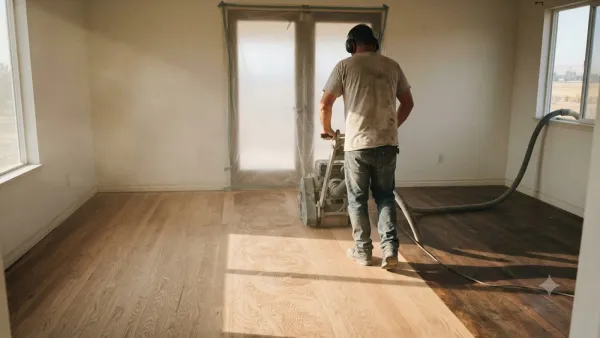
Most families stay in the house. We seal the work area with zippered plastic, tape the return vents, and run the HEPA collector outside, so the bedrooms stay usable while the living areas are being done. You cannot walk on wet finish, so the sequencing matters and we plan it with you.
If the floor turns out not to be salvageable, we tell you at the assessment rather than after the carpet is in a dumpster. That has happened often enough that we now check before quoting rather than after.
Campus Park Wood Flooring Questions
How do I know if there is hardwood under my carpet?
+
Is it cheaper to refinish the original oak or install new flooring?
+
Will the staple holes and pad residue show after refinishing?
+
My family room addition is on a slab. Can the floor match?
+
What if you find vinyl tile under the carpet?
+
Free Estimates in Campus Park
Pull back a closet corner, send us a photo, and we will tell you whether what you are looking at is worth uncovering. Mon-Fri 7am-5pm, Sat 8am-2pm.