
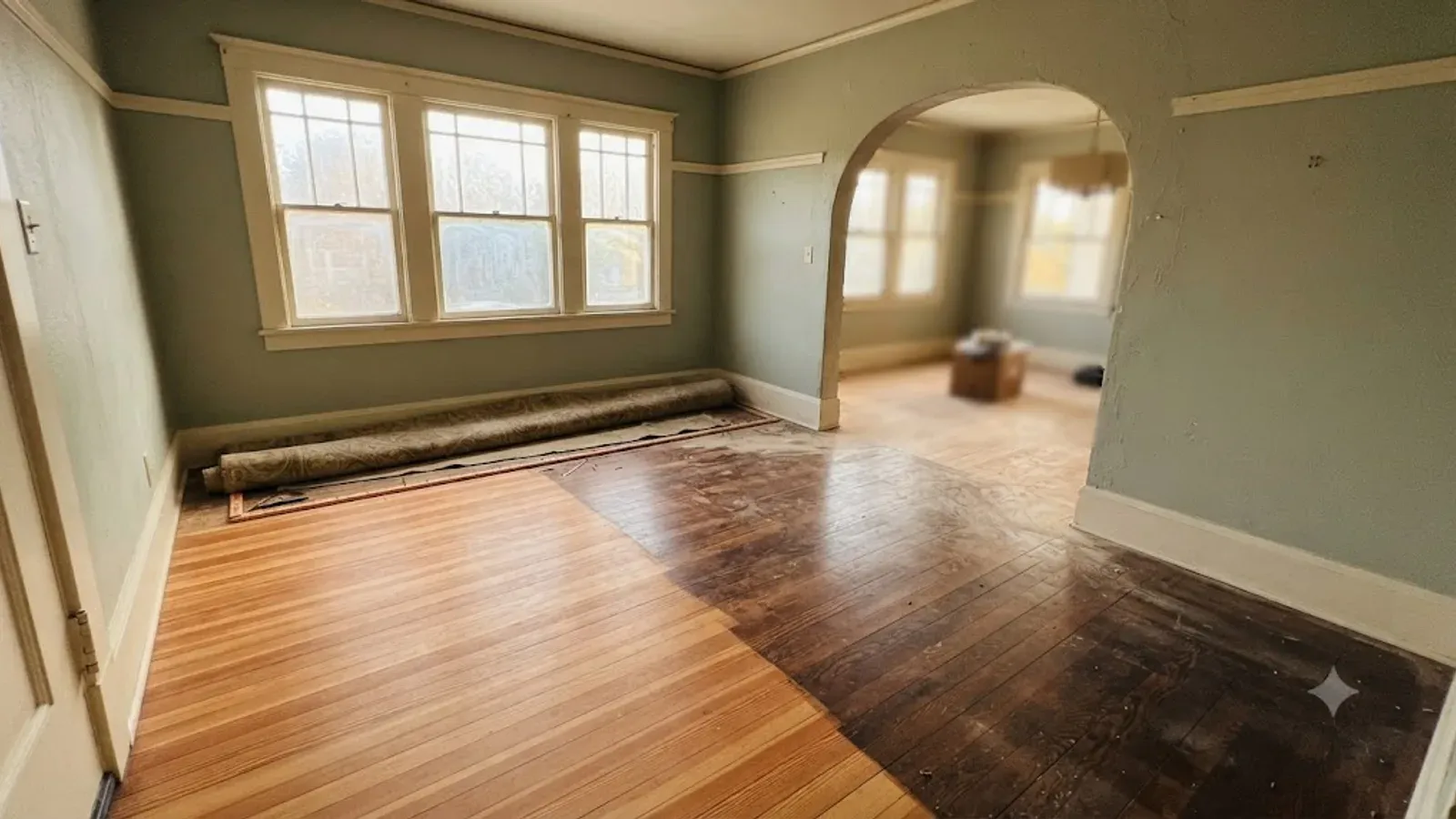
Hardwood Floor Refinishing in Oleander-Sunset, Bakersfield
Bakersfield Premium Wood Flooring provides professional wood flooring in Oleander-Sunset, Bakersfield, CA — hardwood floor refinishing, historic floor restoration, dustless sanding, board repair and patching, and subfloor leveling. It is the neighborhood we work in most, and the one where the wood under the carpet is most often worth saving.
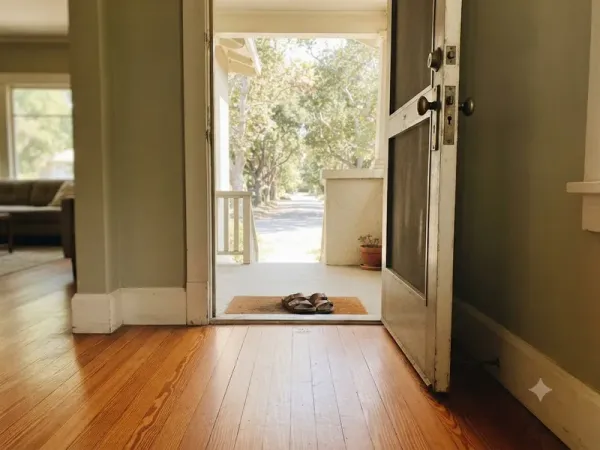
Oleander-Sunset is one of the oldest neighborhoods in the city, and it shows in the floors. Under the carpet in most of these houses is vertical-grain Douglas fir milled from old-growth timber that has not been commercially available in this country for the better part of a century.
Why Oleander-Sunset Floors Are Worth Restoring
Developer Henry J. Brandt subdivided much of the undeveloped land here in 1916, including the Sunset and Holtby Tracts, and the houses that followed through the 1920s, 30s, and 40s were floored with what was cheap and local at the time: dense, slow-grown Douglas fir. Cheap then. Unbuyable now.
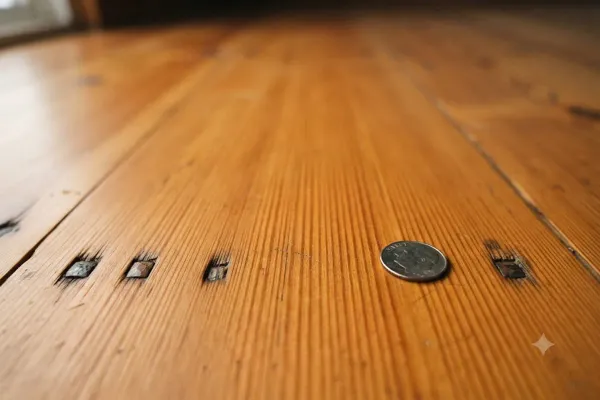
The giveaway is the grain. Hold a light low across a sanded fir board from one of these houses and you will count twenty-five to thirty growth rings across an inch. Modern fir from a managed plantation runs six to ten. That density is why a hundred-year-old floor is still flat and still worth coating rather than covering.
What we usually find is not damage, it is history. Shellac that has gone amber and then gray. Wax over the shellac. Carpet from 1972, pad residue, and a perforated border of tack strip holes around every room. Under all of it, in eight out of ten of these houses, a floor that comes back beautifully.
The one thing we check before quoting is remaining thickness. A lot of these floors are three-eighths or half-inch stock rather than three-quarter, and some have already been sanded twice. We pull a floor register or a threshold and look at the board edge in cross section, because the number of sanding cycles left is finite and worth knowing before you spend money.
Sanding Soft Fir Without Ruining It
Fir is soft. It dents under a dropped fork and it burnishes under a sander moving too slowly, which glazes the surface so stain goes on blotchy. Sanding a fir floor the way you would sand oak is the most common way these floors get wrecked by contractors who genuinely meant well.
We change the approach. Sharper abrasive, changed more often, because dull paper makes heat and heat is what burnishes. A lighter cut pass, sometimes starting at 50 or 60 grit rather than 36, accepting a few marks rather than chasing perfection and losing an eighth of an inch of wood that cannot be replaced. More hand-scraping at the edges, where a disc sander will dig into soft grain.
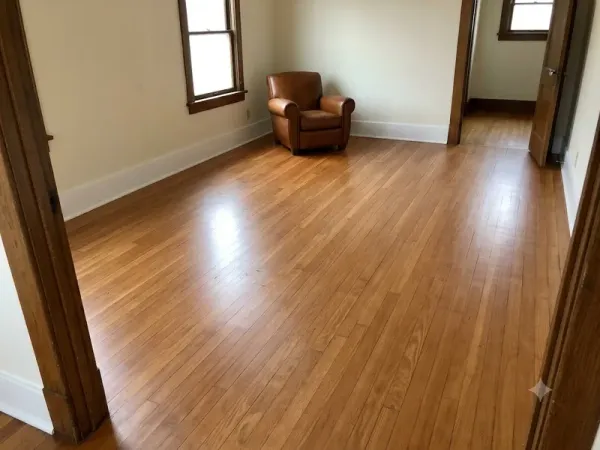
We also finish these floors natural nine times out of ten. Fir takes stain unevenly, and dark colors bury the tight grain that makes the wood worth restoring in the first place. A penetrating sealer and a satin waterborne topcoat lets the amber come back from the wood itself over the following year.
Because this is Bakersfield's most walkable neighborhood, with a Walk Score of 70 and people genuinely coming and going on foot, we take dust containment seriously here. Zippered plastic on the doorways, return vents taped, and the HEPA collector out in the driveway rather than in your dining room.
Repairs, Patches and the Wall Somebody Removed
The most common repair in this neighborhood is a strip of bare subfloor where a wall came out during a 1990s remodel, usually between the kitchen and a dining room, filled with the wrong species running the wrong direction. Fixing that means lacing period fir in with staggered joints, not dropping in a rectangle.
That is why we keep a salvage inventory. Stock pulled from closets, from under old cabinet runs, from tear-outs where a floor was headed for a dumpster. When a 1926 bungalow needs fourteen boards at a width nobody mills anymore, that shelf is the difference between an invisible repair and a compromise.
The housing stock changes as you move west toward the river, where the Craftsman and Spanish Colonial Revival homes of Westchester and Riviera bring their own set of floor problems — bigger rooms, more oak, and more mid-century additions grafted onto pre-war houses.
Original cast iron floor registers are worth mentioning too. Most have been painted shut and written off. Stripped and reseated, they are one of the details that makes a restored bungalow read as authentic instead of renovated, and saving them costs almost nothing.
What a Bungalow Refinish Costs and How Long It Takes
A full sand and refinish runs $3.25 to $5.50 per square foot. Most of these houses are 1,100 to 1,600 square feet, and a whole-house job typically lands between three and five working days once repairs are done. Board replacement is $18 to $40 per board on top of that.
If your finish is only dull and the wood underneath is untouched, you may not need a sand at all. A screen and recoat is $1.60 to $2.40 per square foot and takes one day. We check this before quoting a refinish, and it costs us the bigger job often enough that we notice.
One local variable specific to older homes here: a lot of them still run evaporative coolers in summer. That pushes indoor humidity up hard for months, then drops it the moment you switch to refrigerated air, and wood floors feel every bit of that cycle. It does not stop us restoring the floor. It does change what we tell you about maintenance afterward.
Oleander-Sunset Wood Flooring Questions
Is there hardwood under the carpet in my Oleander-Sunset house?
+
How much does it cost to refinish floors in a bungalow here?
+
Will the tack strip holes and staples from old carpet show?
+
Can you match wood for repairs in a 1920s Oleander-Sunset home?
+
How many times can an old fir floor be sanded?
+
Free Estimates in Oleander-Sunset
We will pull a register, check what is left above the tongue, and tell you honestly whether the floor under your carpet is worth restoring. Mon-Fri 7am-5pm, Sat 8am-2pm.